9 Jun 2026
Unpacking How Youth Development Pipelines Shape Seasonal Title Contention Markets
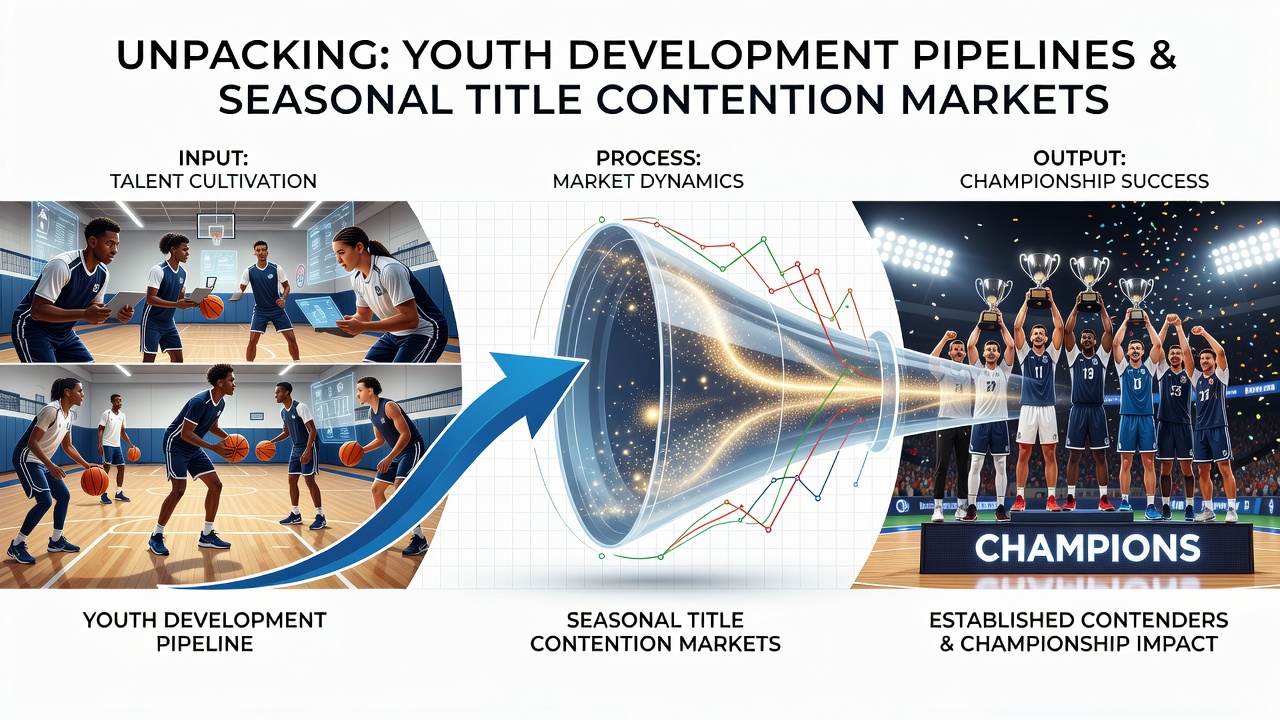 Youth development pipelines in professional football represent structured systems that clubs use to identify, train, and promote young talent from academies into first teams. These pipelines directly influence squad depth, long-term performance stability, and ultimately the competitive balance that shapes seasonal title contention in major leagues. Data from various club reports indicates that teams investing consistently in homegrown players often maintain lower wage bills while achieving sustained results across multiple campaigns. Observers note that effective pipelines reduce reliance on expensive transfers, which in turn affects how bookmakers assess a club's title prospects before each season begins. Research from sports economics studies shows correlations between academy output and league positioning over five-year periods, with clubs producing multiple first-team graduates frequently appearing higher in standings during title races.
Core Components of Youth Development Systems
Modern youth pipelines incorporate scouting networks, age-group coaching programs, and integration pathways that move prospects through under-18 and under-23 squads. According to figures from the European Club Association, clubs allocate between 5 and 15 percent of annual budgets to academy operations in top European leagues. These investments yield measurable returns when graduates secure starting roles and contribute to points totals during title challenges.
Scouting operations span domestic regions and international territories, while training methodologies emphasize technical skills alongside tactical awareness. Teams that maintain clear progression routes see higher retention rates among promising players, which stabilizes squad composition year after year and reduces mid-season volatility that markets price into title odds.
Performance Metrics and Market Implications
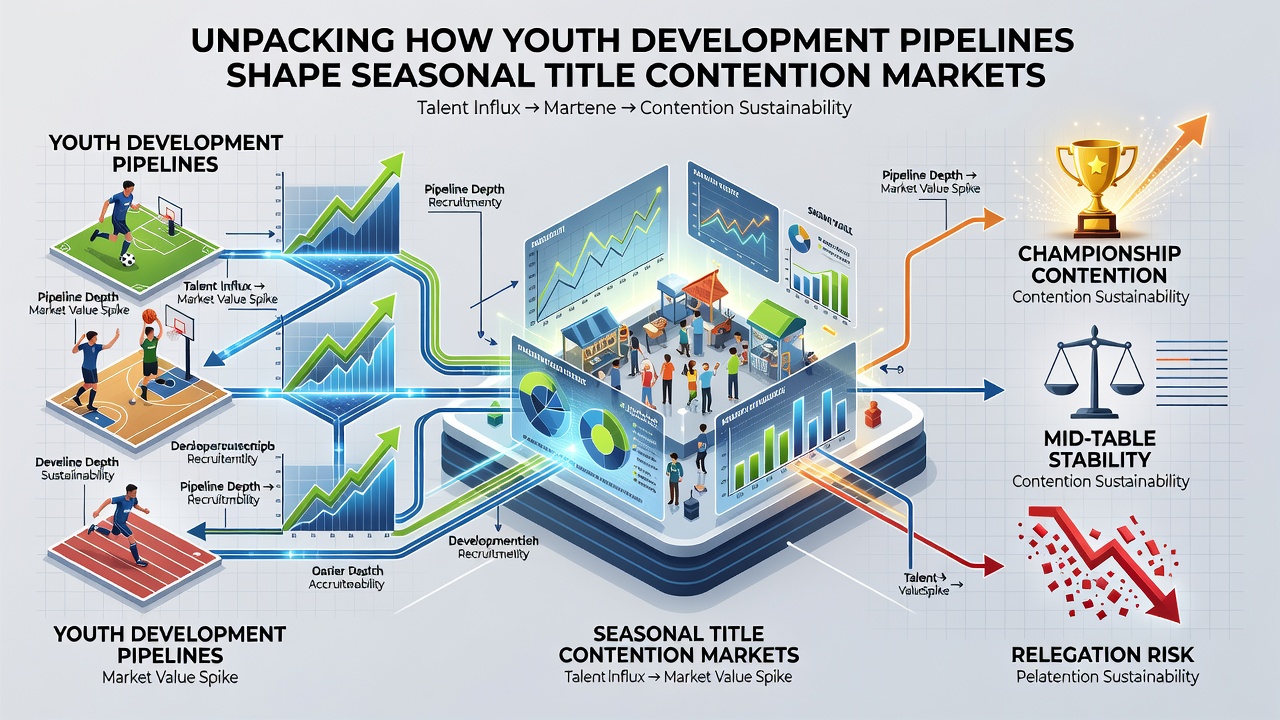
Seasonal title contention markets incorporate variables such as squad age profiles, injury resilience, and transfer activity. Youth pipelines contribute by supplying players who align with existing team systems, thereby minimizing adaptation periods that disrupt results. Studies conducted by university researchers in Australia highlight that academies producing three or more regular first-team contributors correlate with improved consistency in domestic competitions.
Bookmakers adjust pre-season odds based on these patterns because data reveals lower variance in outcomes for clubs with robust internal talent supplies. For instance, clubs that promoted academy graduates ahead of the 2025-26 campaign demonstrated steadier performances through the winter months compared to those relying solely on external signings.
Regional Variations Across Leagues
Different leagues exhibit distinct pipeline strengths that influence title markets in unique ways. Spanish and Dutch clubs have long histories of exporting academy products, whereas English Premier League sides increasingly focus on Category One academies to meet regulatory requirements. Reports from the US Soccer Federation note similar trends in Major League Soccer, where homegrown rules encourage domestic development and affect how analysts project playoff and title contenders.
These variations create differentiated market behaviors. Leagues with stronger collective youth outputs tend to see tighter title races because multiple clubs gain competitive edges without massive spending. In June 2026, preparations for expanded international calendars may further highlight clubs whose pipelines allow rotation without performance drops during congested fixtures.
Case Examples from Recent Seasons
One notable pattern appears when examining clubs that reached title contention after academy overhauls. Data indicates that sides integrating five or more graduates into matchday squads over two seasons often improved their expected goal differentials, a metric that markets monitor closely. Such improvements shift implied probabilities in seasonal betting lines as the campaign progresses.
Another instance involves clubs in emerging markets that adopted structured pipelines modeled on established European systems. These teams recorded measurable gains in domestic title challenges, with analysts attributing part of the progress to reduced squad turnover and better cost control.
Future Outlook Through 2026
Regulatory changes and financial fair play frameworks continue to reward efficient youth development. Clubs that scale pipelines effectively position themselves for repeated contention windows, which markets reflect through shorter long-term odds on repeated title challenges. Evidence from multiple league databases shows academy graduates contributing increasing shares of total minutes played in title-deciding matches.
Conclusion
Youth development pipelines exert measurable influence on seasonal title contention by supplying cost-effective talent, enhancing squad stability, and shaping performance consistency that markets incorporate into pricing. As leagues approach the 2026 period, continued focus on these systems will likely sustain their role in determining which clubs feature prominently in title races across domestic competitions worldwide.