UK Gambling Commission Unveils Q2 Stats: Remote Sector Fuels 6.6% GGY Surge While Participation Holds Steady
21 Mar 2026
UK Gambling Commission Unveils Q2 Stats: Remote Sector Fuels 6.6% GGY Surge While Participation Holds Steady

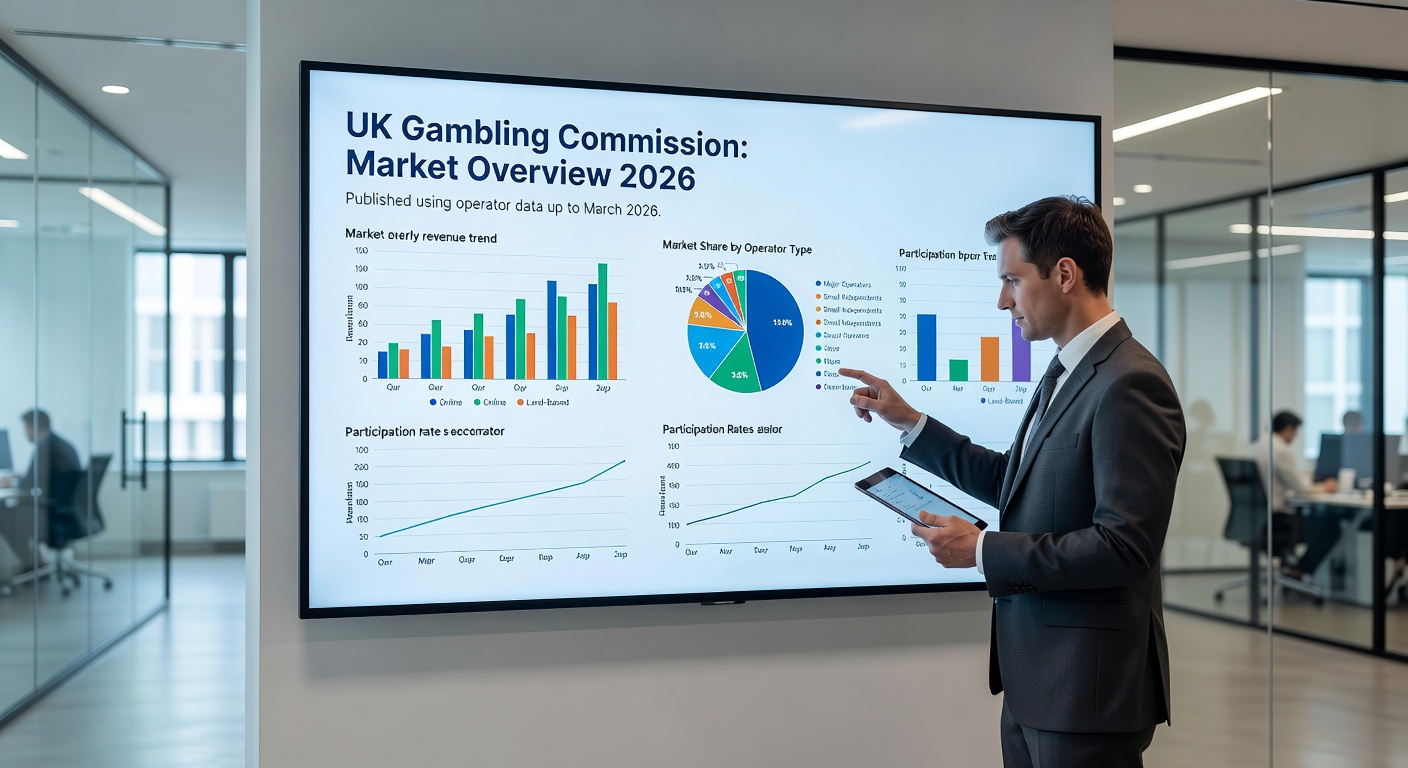
Observers tracking the UK gambling landscape paid close attention when the UK Gambling Commission dropped two key data releases on February 26, 2026; these covered the quarterly industry statistics for July to September 2025, alongside the gambling participation survey spanning July to October 2025, revealing a Gross Gambling Yield (GGY) climb of 6.6% year-on-year to £4.3 billion across customer-facing sectors, with the remote segment—including online betting and casinos—driving much of that momentum, even as overall participation rates stayed flat at 48%.
What's interesting here lies in how these figures paint a picture of steady consumer engagement amid sector-specific growth; data from the industry statistics quarterly report highlights not just raw numbers but patterns in revenue generation, while the participation survey offers insights into who participates and how often, enabling analysts to dissect trends, spot seasonality, and gauge market coherence as the industry navigates regulatory shifts and economic pressures into March 2026.
Diving into the Quarterly Industry Statistics
Researchers poring over the July-September 2025 data quickly noted the headline GGY figure of £4.3 billion for customer-facing gambling activities, marking that 6.6% increase from the prior year's same quarter; remote gambling led the charge, as online platforms captured higher yields through betting and casino products, whereas non-remote sectors like land-based casinos and bingo halls showed more modest gains or stability, reflecting shifts toward digital convenience that people have observed accelerating post-pandemic.
But here's the thing: breakdowns reveal nuance; for instance, remote GGY specifically jumped, contributing the bulk of the overall rise, while segments such as betting shops experienced softer performance due to seasonal factors or competitive online alternatives, and experts point to this divergence as a sign of maturing market dynamics where digital access reshapes traditional venues.
Take the remote betting category alone—figures indicate robust year-on-year growth tied to real-time events and mobile wagering, yet arcade and bingo data held firmer than expected, suggesting resilient pockets of physical participation; overall, these quarterly stats, aligned wth the financial year from April 2025 to March 2026, provide a snapshot midway through Q2 that stakeholders use to forecast trajectories, especially as March 2026 brings fresh regulatory discussions on affordability checks and player protections.
Gambling Participation Survey: Stability Amid Subtle Shifts
Shifting focus to the participation survey covering July through October 2025, data shows 48% of UK adults engaging in some form of gambling during that period, a figure that remained stable compared to previous waves, underscoring consistent interest levels even as economic headwinds linger; this stability proves noteworthy because it contrasts with revenue upticks, hinting at either higher average stakes per participant or efficiencies in operator models boosting yields without broader uptake.
People who've studied these surveys over time often highlight demographic consistencies—men outpacing women in participation rates, younger adults dipping in more frequently via apps, while older groups favor lotteries or scratch cards—yet the 48% benchmark signals no dramatic exodus or influx, and that's significant in an era of heightened scrutiny over problem gambling.
Moreover, session frequencies and preferred activities emerge clearly; online slots and sports betting dominate remote participation, aligning with GGY drivers, whereas non-remote preferences cluster around machines in pubs or family draws, and this coherence between participation and industry stats allows for deeper analysis of how behaviors translate to operator revenues, particularly as March 2026 data compilations ramp up for the next quarterly release.
Sector Breakdowns and Year-on-Year Comparisons
Delving deeper into GGY components uncovers where growth concentrated; remote casinos and bingo saw pronounced lifts, fueled by immersive tech and promotions, while online betting benefited from seasonal sports volumes—think late summer leagues winding down into autumn internationals—pushing totals higher without proportional participation spikes, a pattern experts attribute to sophisticated personalization algorithms keeping players engaged longer.
Non-remote contrasts sharply; betting terminals in shops posted gains, but land-based casinos lagged slightly year-on-year, as footfall recovers unevenly, and here's where seasonality enters the chat: July-September often marks a transitional period post-major events like Euro tournaments, bridging quieter summer months into busier fall schedules, so these figures serve as a baseline for comparing against peak winter quarters.
One case that illustrates this involves aggregate GGY across all customer-facing verticals reaching £4.3 billion, up 6.6%, but when sliced by remote versus land-based, the former's dominance becomes evident—accounting for over half in many breakdowns—prompting observers to note how digital infrastructure investments pay off, especially with mobile penetration nearing universality among gamblers.
Trends, Seasonality, and Market Insights
Analysts leveraging both datasets spot clear trends; the remote sector's outsized role in GGY growth aligns with participation data showing digital channels as go-to options, while stable overall rates at 48% suggest saturation in core demographics, and that's where the rubber meets the road for operators balancing expansion with compliance.
Seasonality shines through too—third quarter data often captures post-event lulls, yet this period's uplift indicates resilient demand, perhaps buoyed by emerging esports or virtual sports betting; market coherence appears strong, as participation behaviors mirror revenue drivers without wild discrepancies, enabling reliable projections into 2026's regulatory landscape, where March updates on license fees and data transparency loom large.
Those who've tracked prior releases recall similar patterns; for example, a 2024 quarter showed remote surges amid World Cup hype, but 2025's steadier climb points to normalized growth, not event dependency, and this equips industry watchers to anticipate Q3 behaviors as football seasons intensify.
Parenthetically, cross-referencing participation with GGY reveals per-session spend implications—stable players yielding more suggests value extraction via bonuses or faster play paces—yet without overstepping into speculation, the raw stats underscore a sector adapting fluidly.
Broader Context Entering March 2026
Now, as March 2026 unfolds, these February releases gain added relevance; with Q3 data collection underway, early indicators from July-September set benchmarks for year-end tallies under the April 2025-March 2026 financial framework, and stakeholders—from operators to policymakers—use them to calibrate strategies amid ongoing consultations on stake limits and self-exclusion portals.
Turns out, the combo of industry stats and participation surveys proves invaluable for holistic views; one researcher noted how aligned datasets debunk myths of rampant growth versus stagnant engagement, painting instead a portrait of evolution, where remote innovations sustain yields while traditional elements endure.
So, with spring regulatory announcements on the horizon, these figures from 2025's latter quarters remind everyone that the UK's gambling ecosystem thrives on data-driven coherence, not hype.
Conclusion
The UK Gambling Commission's February 26, 2026, publications deliver concrete snapshots—GGY at £4.3 billion up 6.6% year-on-year, remote sectors spearheading via online betting and casinos, participation steady at 48%—equipping analysts with tools to unpack trends, seasonality, and market alignment; as March 2026 progresses, these insights anchor discussions on sustainability, informing everything from operator playbooks to commission oversight, and underscoring a industry that's growing smarter, not just bigger.