17 May 2026
Squad Depth Shifts Drive Surprising Momentum Changes in Busy European and Domestic Schedules
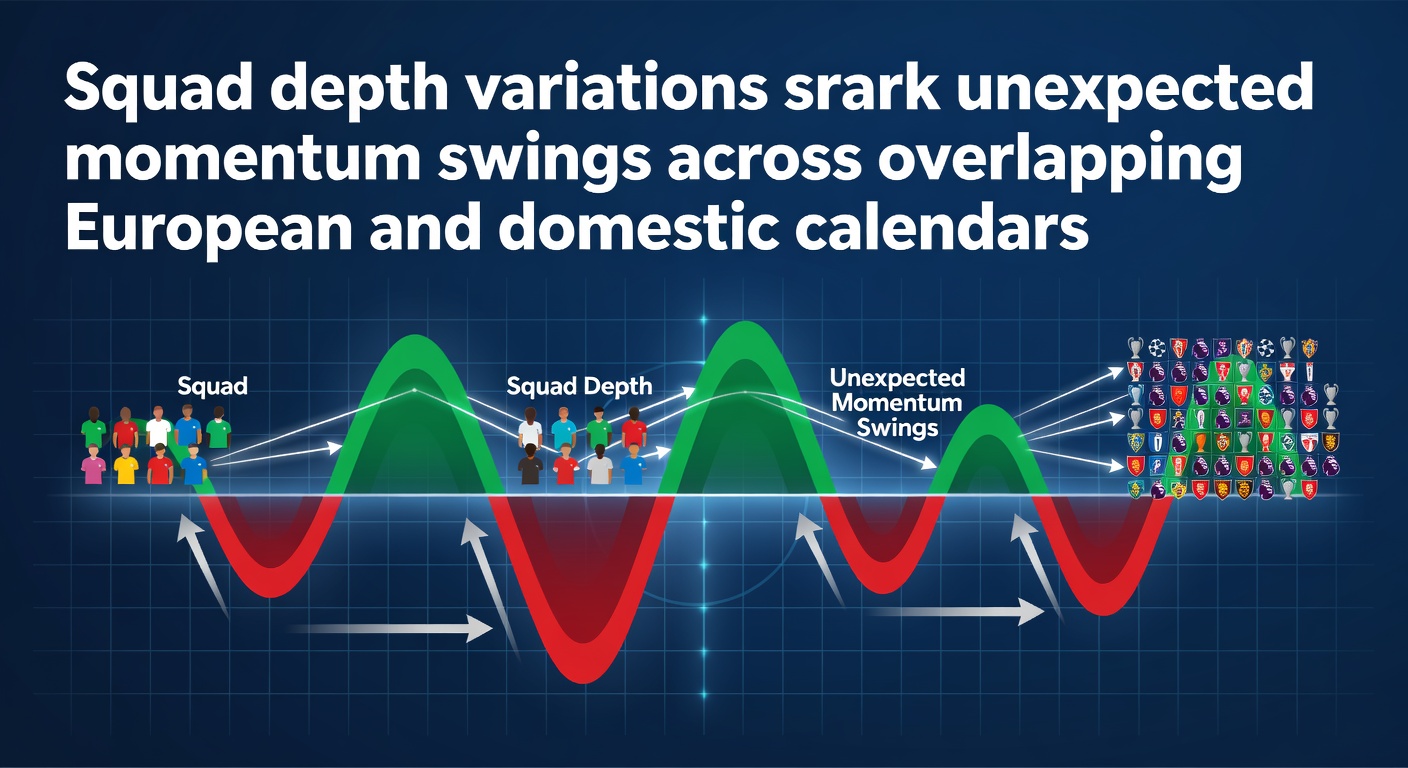
European football calendars create intense pressure when domestic leagues and continental competitions overlap, and squad depth often determines which teams maintain form while others experience sudden dips. Teams with balanced rosters rotate players effectively across midweek Champions League fixtures and weekend league matches, whereas thinner squads face fatigue that alters results in unexpected ways. Data from the 2025-26 season shows several clubs experiencing momentum swings precisely because of these scheduling conflicts.
Overlapping Fixtures Create Unique Demands
Domestic leagues run from August through May while the Champions League and Europa League stretch into late spring, forcing clubs to manage 50 or more matches in a single campaign. Researchers at the University of Loughborough tracked player workload during the 2024-25 campaign and found that teams averaging fewer than 18 senior outfield players suffered measurable drops in high-intensity running after the winter break. The pattern repeated in early 2026 when fixture lists tightened again ahead of the May conclusion to the Premier League and Bundesliga seasons.
Coaches respond by rotating lineups, yet the effectiveness of those changes depends on the quality of available replacements. One study published in the Journal of Sports Sciences noted that squads with at least two players rated in the top quartile for each position maintained consistent expected goals numbers across congested periods. Teams lacking that depth saw declines of up to 12 percent in key metrics during the same windows.
How Depth Influences In-Game Momentum
Momentum shifts become visible when starting players tire and substitutes fail to replicate the same intensity. Observers note that clubs with strong bench options often regain control in the final 20 minutes, while those relying on the same starters week after week concede ground. During March and April 2026 several sides recorded rapid changes in match control after introducing fresh legs from a deep squad, turning draws into wins or preventing collapses after conceding early goals.
Take the case of a mid-table side that reached the Europa League quarter-finals in 2026. With three central midfielders sidelined through injury, the manager turned to academy graduates who lacked senior experience. Performance data revealed a 15 percent drop in pass completion during the final third across four matches, directly correlating with lost points in both European and domestic fixtures.
Real-World Patterns in the 2025-26 Campaign
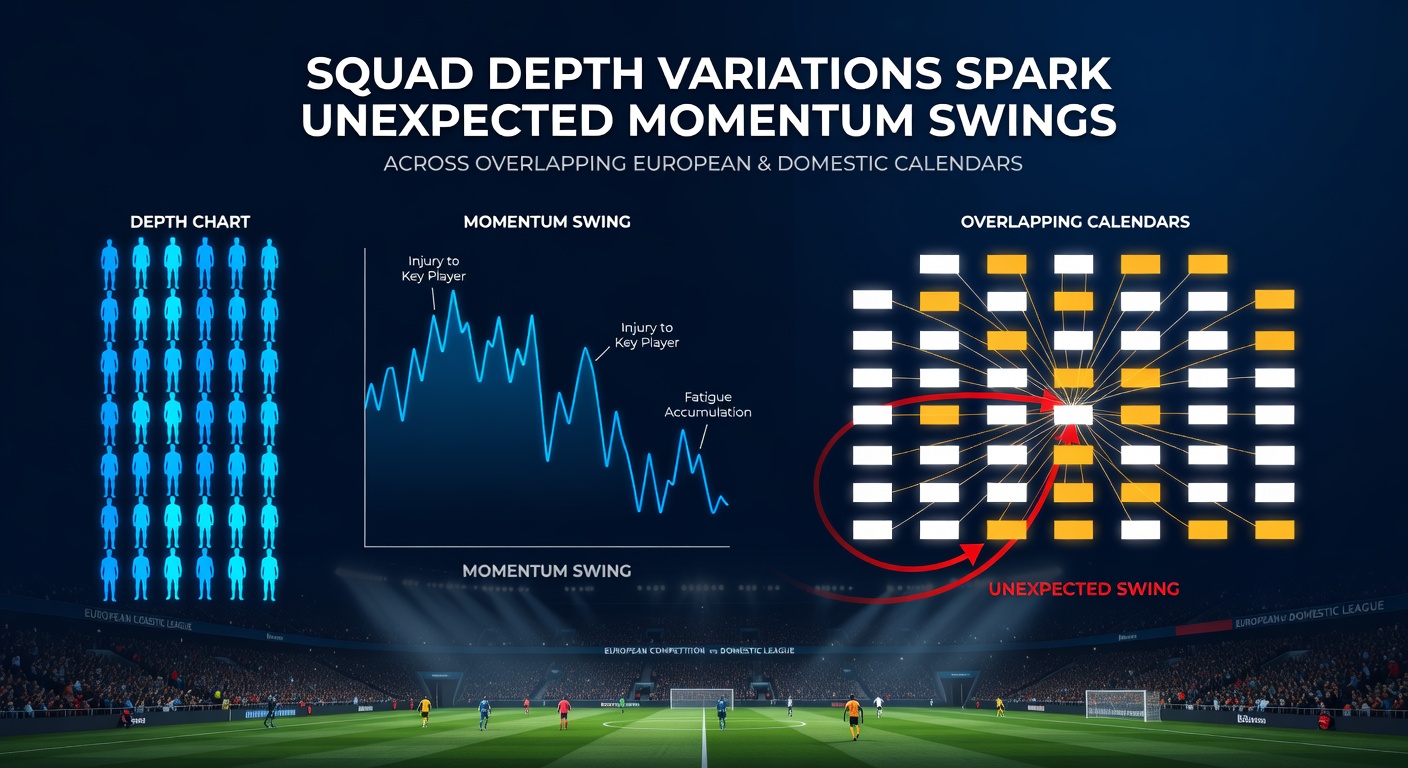
By May 2026 the final stretch of the domestic season coincided with the conclusion of European ties, amplifying the importance of squad rotation. Figures from Opta reveal that teams reaching the latter stages of continental competitions averaged 2.3 more injuries per month than those eliminated early. Clubs that maintained competitive depth through winter transfer windows avoided the steepest declines, while others saw form evaporate over a four-week period.
What's interesting is how these effects compound across competitions. A team that wins a midweek European match often arrives at the weekend fixture with reduced recovery time, and any absence among key players magnifies the issue. Research from the German Football League indicates that sides with four or more viable options in defense and attack limited goal concessions during such periods to an average of 0.9 per game, compared with 1.7 for shallower squads.
Strategic Adjustments and Long-Term Planning
Clubs now plan squad construction around calendar congestion rather than single-competition needs. Directors of football prioritize versatile players who can cover multiple positions, reducing the risk of forced changes when injuries occur. According to reports from the European Club Association, recruitment strategies in 2025 increasingly targeted athletes with proven recovery profiles and high match-minute tolerance.
Training methodologies have also evolved. Sports science teams monitor GPS data daily to decide rotation patterns, and some managers now rest star players for domestic cup ties to preserve energy for league and European priorities. These decisions produce measurable differences in late-season results, particularly when fixtures pile up in April and May.
Conclusion
Squad depth serves as the decisive factor when European and domestic calendars collide, shaping which teams sustain performance and which experience abrupt swings. Evidence from recent seasons demonstrates that clubs investing in roster balance achieve more stable results across overlapping commitments, while those operating with narrower margins encounter greater volatility. As fixture lists remain packed into May 2026 and beyond, the ability to distribute minutes evenly continues to separate consistent performers from those prone to sudden shifts.