5 Jun 2026
Shifting Sands: International Fixtures and Their Influence on Domestic League Betting Markets
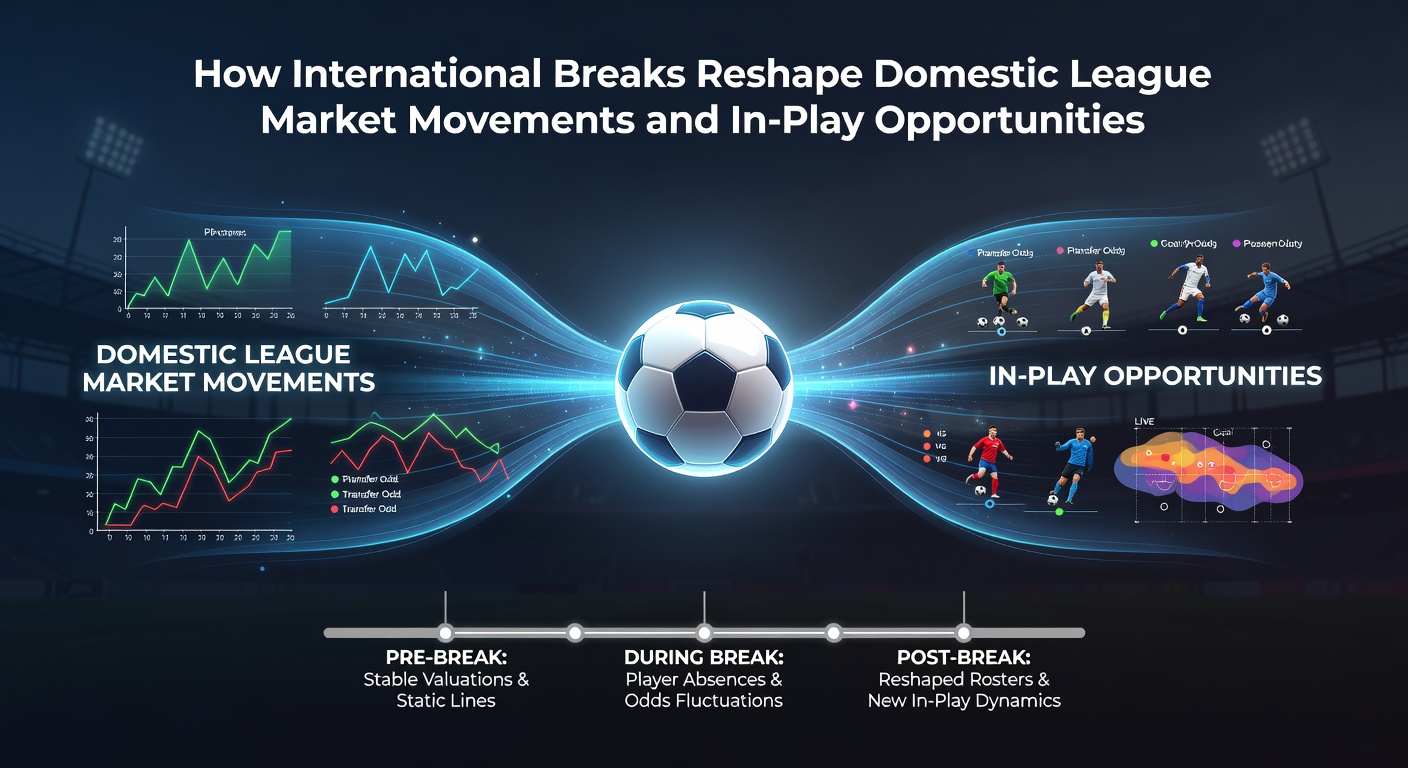
International breaks create distinct patterns in domestic league markets because clubs lose key personnel for extended periods while national teams compete in qualifiers and friendlies. Data from major European leagues shows that average goal tallies dip by 0.3 per game in the first round of fixtures after a break, according to aggregated match statistics compiled by Opta. Bettors who track these trends often adjust pre-match lines for totals and both-teams-to-score options, while in-play markets expand because squad rotations produce unpredictable lineups.
Player Availability and Early Market Adjustments
Clubs publish squad lists several days before international windows close, yet late withdrawals due to minor injuries or fatigue remain common. When a star midfielder returns with a reported knock, bookmakers widen the spread on his club’s next domestic fixture within hours. Figures released by the European Sports Betting Association indicate that over 60 percent of Premier League, La Liga and Bundesliga matches in the post-break round see line movements exceeding 0.25 goals once official team sheets appear.
Those who follow these adjustments note that home sides missing multiple international starters tend to trade at longer prices for the win, even against mid-table opponents. In contrast, teams whose key players avoided national duty often see their odds shorten sharply once confirmation arrives that the squad remains intact.
June 2026 Window and Pre-Tournament Effects
The June 2026 international window sits immediately before the expanded FIFA World Cup, so federations schedule extra preparation matches. European domestic leagues therefore face a compressed schedule once play resumes, with some clubs playing three fixtures in eight days. Historical records from similar congested periods show that defensive errors rise and set-piece concessions increase by roughly 12 percent, according to a performance analysis published by the German Football League.
Market makers respond by offering enhanced in-play corners and cards markets during those weeks, because data indicates more stoppages and disciplinary incidents occur when squads rotate heavily.
In-Play Dynamics After the Break
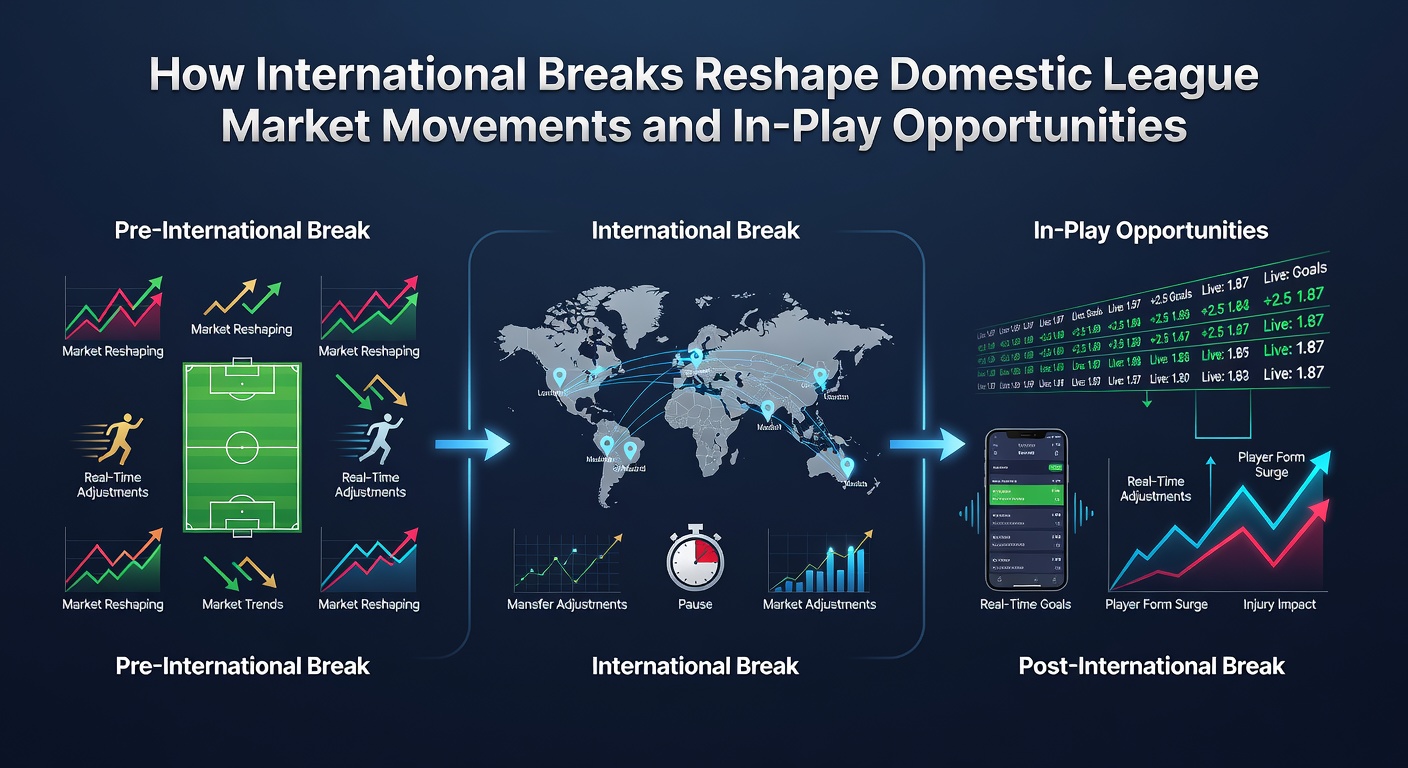
Live betting volumes typically spike in the opening 15 minutes of post-break matches because early substitutions appear more frequently. Teams often field players who returned late from international duty, leading to cautious starts that give way to higher tempo after the first goal. Operators adjust micro-markets such as next-goalscorer and player shots on target in real time, reflecting the altered risk profiles.
Research compiled by the Responsible Gambling Council of Canada demonstrates that bettors who monitor substitution patterns and early possession statistics achieve steadier results than those relying solely on pre-match form. The same dataset reveals that underdog sides trailing at half-time in these fixtures cover the point spread at a higher rate than season averages, largely because managers introduce rested attackers from the bench.
Longer-Term Market Memory
Some markets retain memory across multiple breaks. A defender who concedes penalties while on international duty may see his club’s clean-sheet price lengthen for several subsequent matches, even after he returns to full fitness. Conversely, forwards who score in national-team colours often attract shorter odds for anytime goalscorer in their first domestic outing, regardless of opponent strength.
Industry reports from the Australian wagering regulator highlight that these biases persist until at least three domestic fixtures have elapsed, after which odds gradually realign with underlying player metrics.
Conclusion
International breaks therefore function as recurring structural events that reshape both pre-match pricing and in-play liquidity across domestic leagues. Clubs, data providers and operators each adapt their processes around these windows, creating measurable shifts in market behaviour that repeat season after season. Those who examine historical patterns around player returns, fixture congestion and substitution trends gain access to a wider range of opportunities once play resumes.