30 Jun 2026
Seasonal Demands on Players: How League and Cup Fixtures Shape Performance Throughout the Year
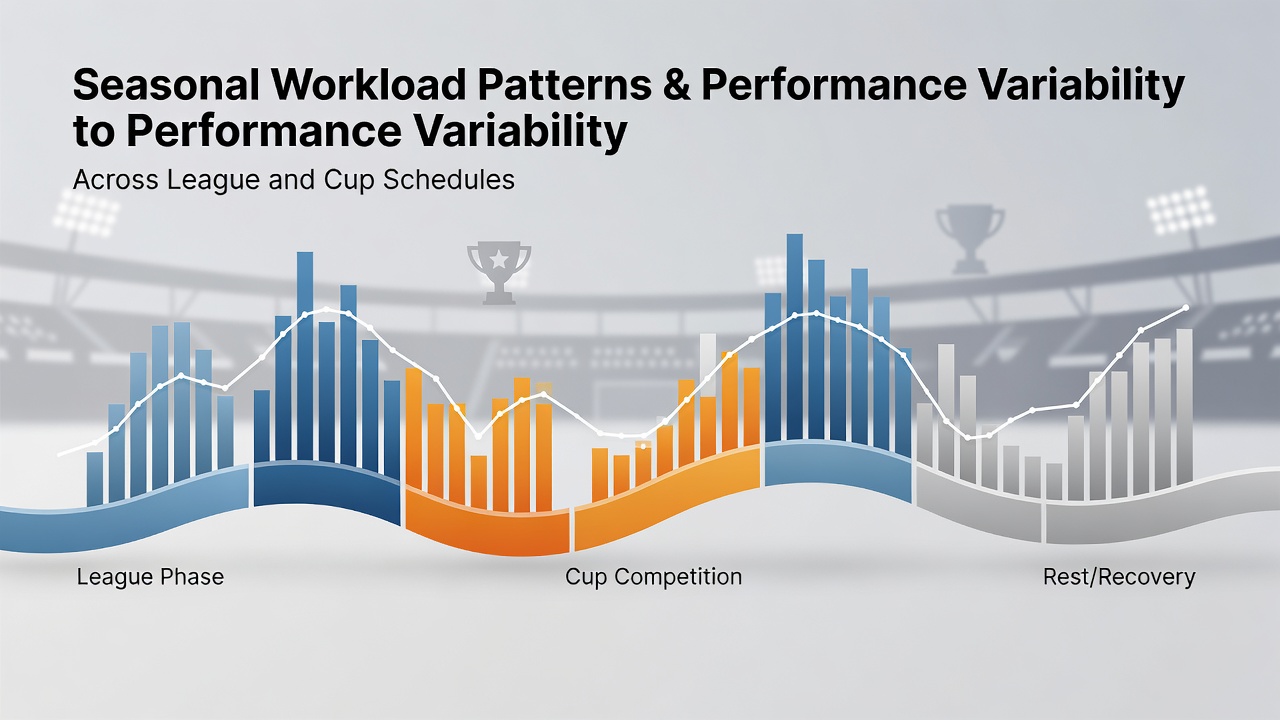
Football schedules create distinct workload patterns that shift across months and competitions, with researchers tracking how these cycles influence player output and team results. Data from multiple European leagues shows that fixture density rises sharply between August and December, then tapers in spring before cup finals intensify again. Studies compiled by sports science teams at universities in Australia and Canada indicate that accumulated match minutes correlate with measurable drops in sprint distance and pass accuracy during later stages of the season.
League calendars typically pack 34 to 38 matches into nine months, while domestic cups add knockout rounds that often fall on midweek dates. This combination produces peaks where players complete three games in eight days, a pattern that sports medicine reports link to elevated fatigue markers in blood tests. UEFA competition schedules further layer travel demands onto top clubs, extending recovery windows beyond what lower-table sides experience.
League Calendar Pressures and Performance Shifts
Premier League and Bundesliga data reveal that teams playing on consecutive weekends followed by a midweek fixture record higher rates of substitutions before the 70-minute mark. Performance metrics collected by Opta and similar providers show reduced high-intensity runs in the second half of matches during congested periods. Those who've examined injury logs across five seasons note that hamstring strains cluster in January and February, months when the winter break ends and cup replays pile up.
Coaches adjust training loads accordingly, yet the underlying fixture list remains fixed. Research from the German Football League highlights that clubs with deeper squads maintain more consistent output because rotation options limit individual exposure. In contrast, sides relying on a core group of 16 players display greater week-to-week variability in expected goals and clean-sheet percentages.
Cup Competitions and Their Distinct Load Profile
Domestic cups introduce single-elimination pressure that differs from the steady rhythm of league play. Matches carry higher stakes per game, prompting coaches to field stronger lineups even when league position is secure. Figures from the FA Cup and DFB-Pokal show that extra-time periods increase total distance covered by 15 to 20 percent compared with standard league encounters, according to GPS tracking studies conducted by the English Institute of Sport.
European competitions add another layer because away legs require long-haul flights and time-zone adjustments. A report issued by the Australian Institute of Sport examined A-League teams participating in the AFC Champions League and found that return flights correlated with a 12 percent decline in next-match passing completion rates. Such patterns repeat across continents whenever clubs balance continental ambitions with domestic obligations.
Combined Effects Across the Full Season
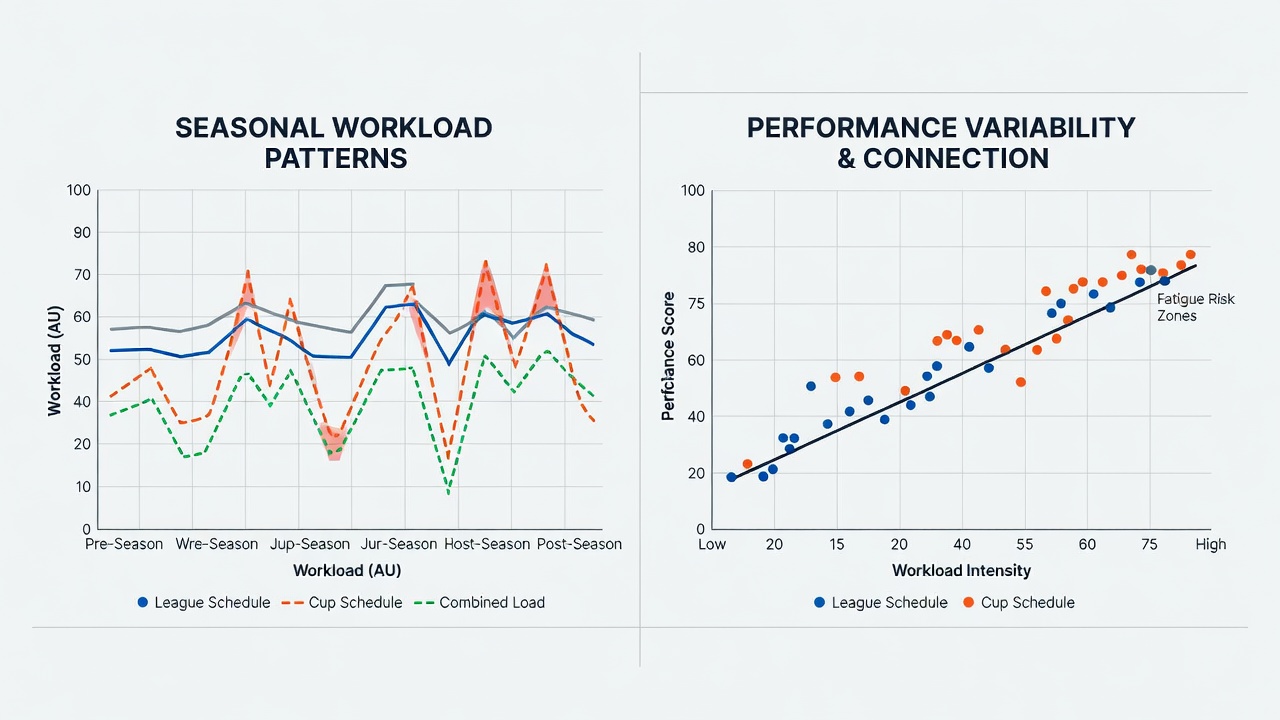
When league and cup schedules overlap, the cumulative workload produces the clearest performance swings. A multi-year analysis published by the University of British Columbia tracked 280 professional players and determined that those logging more than 3,200 minutes by March posted steeper declines in key metrics during April and May. The study controlled for age and position yet still observed consistent drops in recovery heart-rate variability, a physiological marker tied to readiness.
June 2026 brings an expanded FIFA World Cup that will compress club pre-season windows for many national-team players. Planning documents released by confederations already outline adjusted international calendars to accommodate the tournament, and early modelling suggests carry-over fatigue may affect the opening months of the 2026-27 domestic seasons. Clubs in North America and Europe are reviewing squad sizes in anticipation of these shifts.
Recovery Strategies and Scheduling Adjustments
Teams employ a range of interventions to blunt the impact of dense periods. Sports science departments use wearable technology to monitor external load and adjust individual training prescriptions daily. Nutrition protocols emphasize carbohydrate timing and sleep optimisation, while some federations advocate for more flexible winter breaks. Data from the Norwegian Eliteserien, which features a summer break, shows lower injury incidence during the second half of its season compared with leagues that maintain continuous schedules.
Yet structural constraints remain. Broadcasting contracts and commercial interests continue to dictate kick-off times, limiting the scope for fixture redistribution. Observers note that governing bodies have introduced limited windows for schedule reviews, but meaningful changes require coordinated action across multiple stakeholders.
Conclusion
Seasonal workload patterns emerge from the interaction of fixed league calendars, cup obligations, and international commitments. Performance variability follows these patterns in measurable ways, as documented across GPS data, injury registries, and physiological studies. Continued monitoring and evidence-based adjustments offer pathways to mitigate extremes, though the fundamental structure of the football calendar will continue to shape outcomes for the foreseeable future.