19 Jul 2026
Managerial Transitions and Their Effects on Market Dynamics in Domestic Leagues and European Competitions
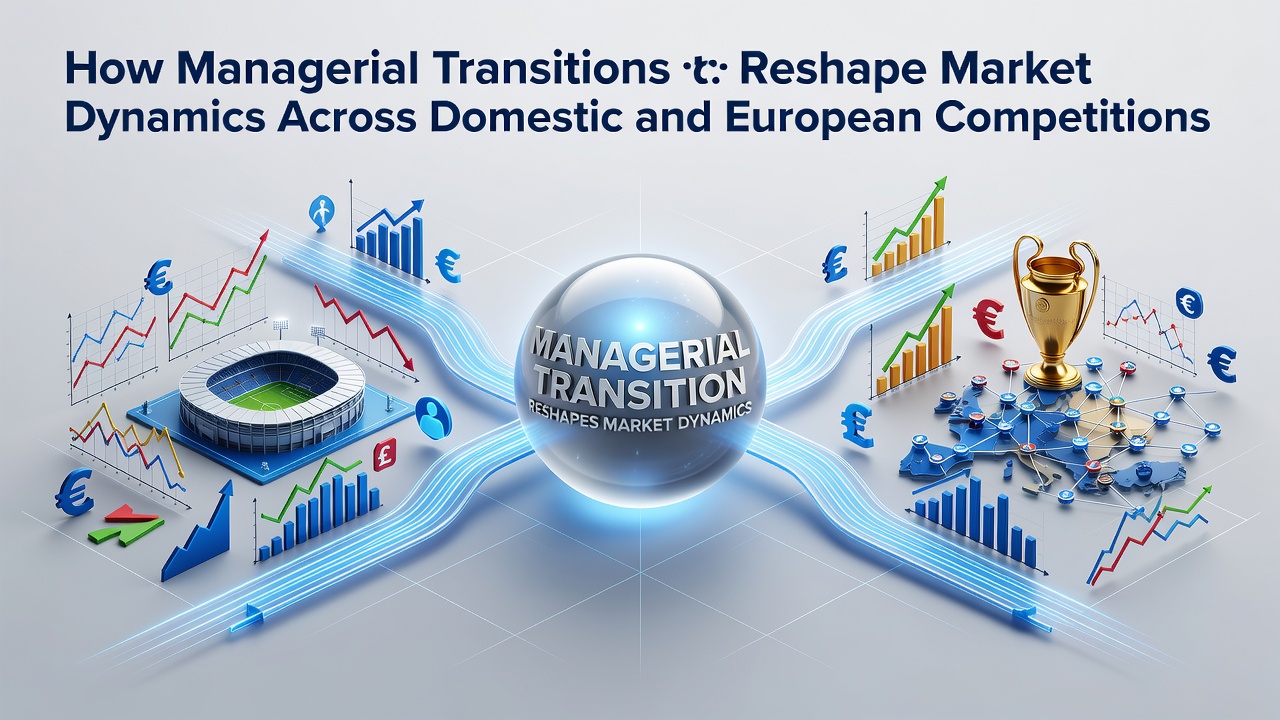
Managerial changes in professional football create immediate shifts across multiple layers of competition and commerce, and data from major European leagues shows that clubs undergoing transitions often experience measurable alterations in squad composition and financial flows within the first six months of a new appointment.
Performance Adjustments in Domestic Competitions
Domestic leagues respond quickly when leadership at the top changes because new managers bring different tactical systems that require specific player profiles, which in turn influences transfer windows and wage structures, while clubs in the English Premier League, La Liga and Bundesliga have recorded average squad value fluctuations of between eight and fifteen percent following mid-season replacements according to transfer market databases maintained by industry analysts.
Those who track league tables note that teams installing fresh leadership during the summer window frequently adjust their mid-table positioning by the following January, since recruitment patterns realign with the incoming coach's preferred formations and this realignment affects both points accumulation and commercial valuations attached to key performers.
Transfer Market Realignments and Player Valuations
Player trading activity intensifies around managerial arrivals because incoming coaches often identify gaps in squad depth that previous regimes overlooked, and historical figures compiled by the European Club Association reveal that clubs completing such transitions complete an average of 2.3 additional incoming transfers compared with stable clubs during the same window, while outgoing sales rise as well when tactical mismatches surface early.
Market prices for individual players can move noticeably once a new manager's preferences become public knowledge, since scouts and rival clubs adjust their own valuations based on the likelihood that certain skill sets will either rise or decline in importance under the updated regime.
European Competition Implications
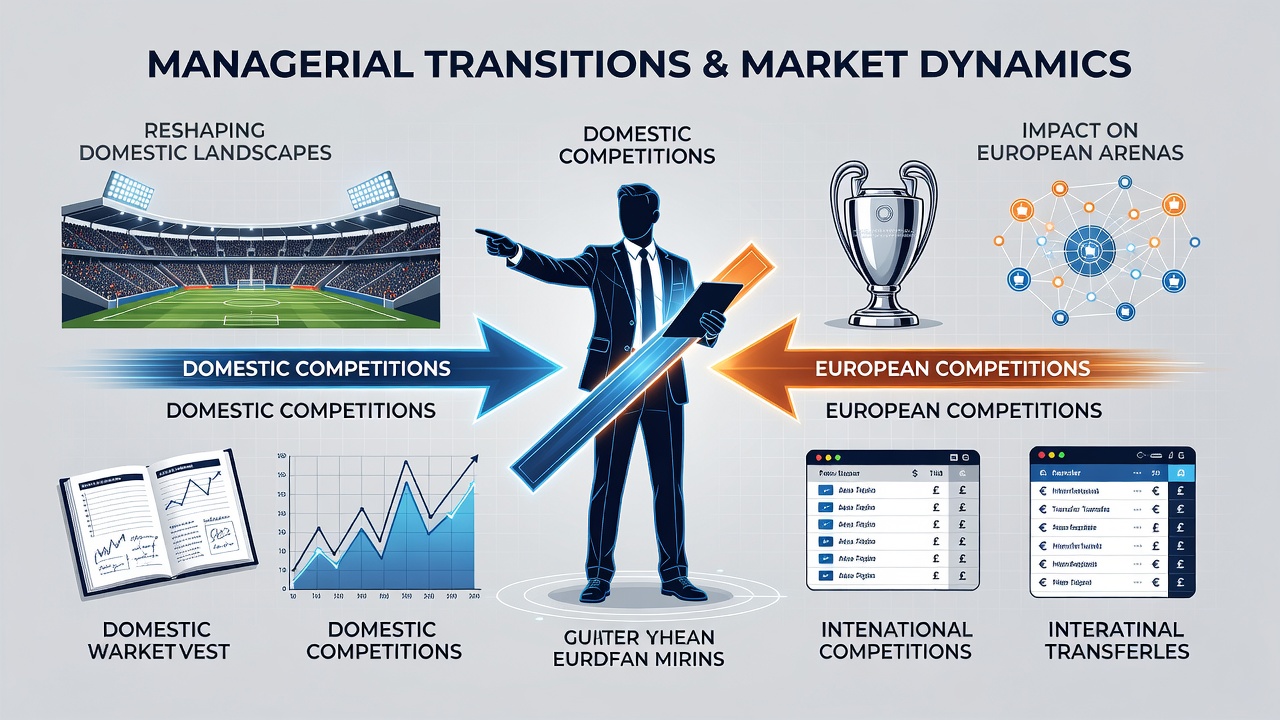
Participation in UEFA tournaments adds another dimension because qualification pathways and group-stage results depend on rapid integration of new ideas, and clubs that appoint managers with proven European experience tend to show steadier progression through knockout rounds according to match data released by UEFA covering the 2024-2026 cycles, whereas appointments focused solely on domestic success sometimes produce sharper early exits when tactical mismatches against varied opponents become apparent.
Revenue streams tied to continental involvement, including prize money and broadcast distributions, therefore fluctuate in line with these performance swings, and observers tracking club accounts note that a single additional round of progression can offset much of the cost associated with severance packages and recruitment fees linked to the transition itself.
Financial and Sponsorship Market Shifts
Commercial partners monitor managerial stability because brand alignment often rests on the public profile of the head coach, and sponsorship renewal negotiations frequently incorporate performance clauses tied to league position and European advancement, with research published by sports economics groups in Germany indicating that clubs announcing high-profile appointments experience temporary upticks in merchandise sales and social engagement metrics that can reach twenty percent above baseline levels during the announcement window.
Yet these spikes normalise within one full season unless accompanied by sustained on-pitch improvement, which leads financial stakeholders to recalibrate long-term valuations once initial market reactions subside.
Patterns Observed Ahead of July 2026
Preparations for the 2026-2027 campaign already show several prominent clubs across Europe's top five leagues exploring leadership options in anticipation of summer windows, and analysts tracking these movements point to an expected rise in pre-contract agreements for both managers and players as teams seek to secure continuity ahead of expanded competition calendars that include additional international fixtures.
Clubs operating under multi-year strategic plans often time announcements to coincide with financial reporting periods so that market reactions can be absorbed before annual accounts close, and this sequencing has become more common as regulatory frameworks around club licensing continue to tighten across UEFA member associations.
Conclusion
Managerial transitions therefore function as catalysts that propagate through domestic standings, transfer activity, European progression and financial reporting simultaneously, and the cumulative effect on market dynamics appears most pronounced when appointments occur during active windows rather than at the close of a season, since overlapping recruitment cycles allow new regimes to embed their requirements before rival clubs can fully respond.